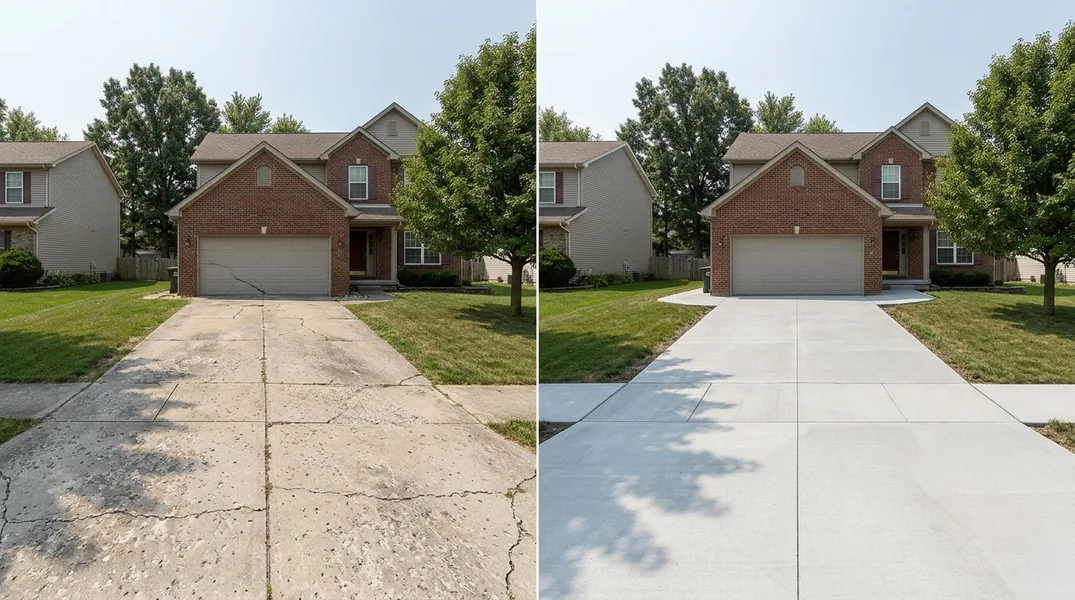
Understanding New Construction Concrete Slabs in Springfield
Purchasing a new construction home in Springfield is an exciting milestone, but it requires careful attention to details many first-time buyers overlook. The concrete slab foundation is one of the most critical structural elements of your home, and yet it's often inspected only briefly during the standard walkthrough. Unlike older homes with basements or crawl spaces, most new construction in the Springfield area relies on concrete slabs as the primary foundation system. This foundation bears the entire weight of your home and protects it from moisture and ground movement.
A concrete slab typically consists of a layer of gravel, a vapor barrier, and four to six inches of reinforced concrete poured directly on the ground. While modern construction methods are generally reliable, settling, cracking, and moisture issues can develop over time if the slab was not properly prepared, mixed, or cured. Before you close on your new home, you need to understand what a properly constructed slab should look like and what warning signs might indicate future problems. Taking time to thoroughly inspect the foundation now can save you thousands in repairs later.
What to Look for During Your Pre-Closing Foundation Inspection
A thorough builder foundation inspection should be one of your top priorities before closing. Start by examining the slab surface for visible cracks. Small hairline cracks (less than one-eighth inch wide) are often normal as concrete cures and experiences minor settling, but wider cracks, especially those running diagonally or in multiple directions, warrant concern. Walk the entire perimeter of the home and inspect the slab under all rooms, including the garage, entryway, and any utility areas. Look for signs of uneven settling, which might appear as one section of the slab sitting noticeably higher or lower than an adjacent area.
Check for water stains, discoloration, or damp spots on the concrete surface, particularly in corners and along the foundation edges where moisture tends to collect. These signs suggest that the vapor barrier may be compromised or that drainage around the foundation is inadequate. Inspect the perimeter where the slab meets the foundation wall or stem wall for gaps, cracks, or separation. Ask your builder or inspector to verify that proper grading slopes away from the home to direct water runoff, and confirm that gutters and downspouts are installed and positioned to discharge water at least four to six feet from the foundation.
New Home Foundation Warranty: What Coverage Actually Means
Most builders in Springfield provide a new home foundation warranty as part of their standard construction warranty package. However, these warranties vary significantly in scope, duration, and what they actually cover. A typical builder warranty might cover structural defects for one year from the date of closing, but the definition of 'structural defect' can be vague. Some warranties cover only obvious failures like complete slab collapse, while others include cracking, settling, and water intrusion. Before closing, obtain a copy of your specific warranty document and read it carefully.
Understand the difference between a builder's limited warranty and a separate structural or foundation warranty. Some builders purchase additional insurance through third-party warranty companies that provide extended coverage beyond the builder's standard one-year period. These extended warranties might cover foundation issues for five to ten years, but they often come with exclusions and deductibles. Ask your builder which defects are covered, what the claim process involves, and whether you need to report issues within a specific timeframe. Document everything in writing, and if you notice any foundation concerns during the first year, report them to your builder immediately. Waiting too long to report issues can void your warranty coverage.
Common Concrete Slab Problems and When to Seek Professional Help
Even in new construction, concrete slabs can develop issues that require professional attention. Settling cracks are among the most common problems, especially in the first year as the foundation adjusts. However, if cracks continue to widen after the first year, or if you notice new cracks appearing regularly, this may indicate ongoing settling or structural movement that needs evaluation. Heaving, where sections of the slab are pushed upward, can be caused by expansive soil, frost action, or moisture problems beneath the slab. In the Springfield climate, freeze-thaw cycles in winter can exacerbate heaving issues.
Spalling, which is the flaking or chipping of the concrete surface, typically results from poor finishing, exposure to deicing salts, or moisture damage. If you notice spalling in your garage or entryway, it may indicate that the concrete was not sealed properly or that water is penetrating the surface. Another serious concern is efflorescence, a white powdery deposit on the concrete surface that indicates water is moving through the slab and carrying minerals to the surface. This suggests a moisture problem that should be addressed promptly. If you're concerned about any of these issues, consider hiring a professional concrete inspector or engineer to evaluate your slab. They can determine whether the problem is cosmetic or structural, and recommend appropriate repairs. For minor issues like small cracks or surface damage, Concrete Repair & Resurfacing services can often restore the slab and prevent further deterioration.
How to Document Your Slab Condition Before Closing
Creating a detailed record of your slab's condition before closing is essential for warranty claims and future reference. Hire a professional home inspector who specifically evaluates the foundation and concrete slab. A thorough inspection report will document the slab's current condition, identify any existing defects, and note areas of concern that may develop over time. If your builder's inspector missed something or glossed over issues, a third-party inspection provides independent documentation that can be crucial if disputes arise later.
Take your own photographs and videos of the entire slab, including close-ups of any cracks, discoloration, or uneven areas. Photograph the perimeter, the garage floor, utility areas, and any outdoor concrete surfaces like the entryway. Write down the date and location of each issue you notice. If you discover problems during your final walkthrough, document them and request that your builder address them before closing. Many builders will make repairs or offer credits if issues are identified before the sale is finalized. Keep all inspection reports, warranties, and documentation in a safe place for future reference. If you ever need to file a warranty claim or hire a contractor for repairs, you'll have clear evidence of the slab's condition at the time of purchase.
Working with Local Contractors for Post-Closing Slab Issues
If foundation issues develop after closing, you'll need to work with qualified local contractors who understand Springfield's climate and soil conditions. Springfield Concrete has extensive experience with both new construction and existing home foundations, and can provide professional evaluation and repair services. Whether you need crack sealing, slab jacking to address settling, or waterproofing solutions, having a trusted contractor in your corner makes the process much smoother.
When contacting contractors, get multiple quotes and ask about their experience with new construction foundation issues. A reputable contractor will inspect your slab thoroughly, explain what they find in clear terms, and provide a detailed estimate for any recommended work. If your issue is covered under warranty, the contractor can often work directly with your builder or warranty company to coordinate repairs. If you're outside the warranty period or dealing with issues not covered by your warranty, understand your options and budget before proceeding. For a free estimate on any foundation or concrete slab concerns, contact Springfield Concrete at (217) 718-3253. Our team can assess your situation and recommend the best course of action to protect your home's foundation.
Looking for a professional concrete contractor in Springfield? Springfield Concrete responds fast for all your concrete needs.
Get a Free QuoteOur services: Concrete Driveways · Concrete Patios · Stamped & Decorative Concrete